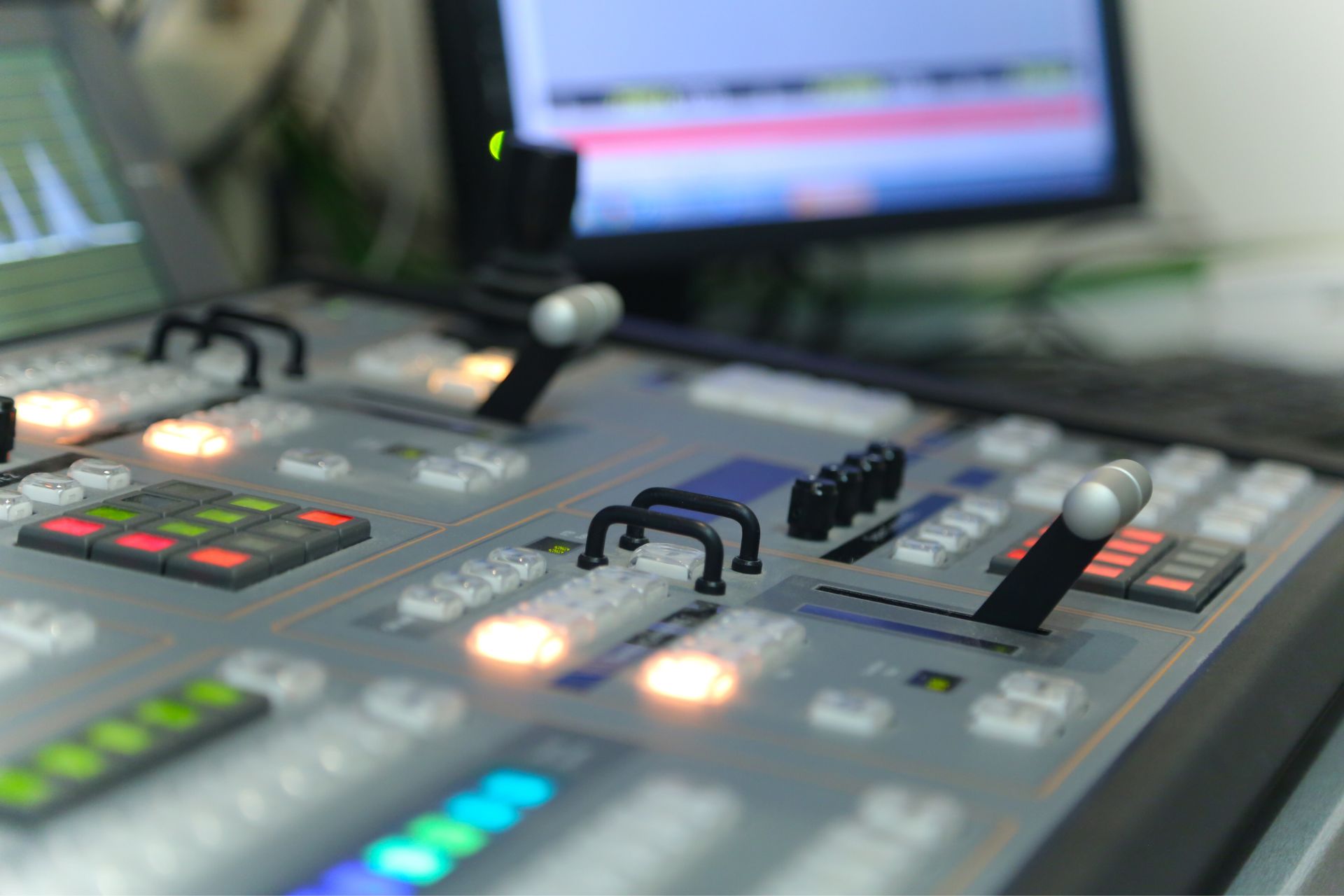
Evaluating the Impact of Lighting Design on AV Performance

Evaluating the Impact of Lighting Design on AV Performance

Discover how evaluating the impact of lighting design on AV performance can enhance visual clarity and audience engagement. This exploration highlights key factors influencing effective integration of lighting in audio-visual setups.

How does the color temperature of lighting affect the perceived quality of audio-visual presentations?

The color temperature of lighting plays a crucial role in shaping the perceived quality of audio-visual presentations by influencing audience mood, attention span, and overall engagement. Warmer color temperatures, usually ranging from 2700K to 3000K, create a cozy and inviting atmosphere that can enhance emotional responses during storytelling or intimate scenes in films; this warmth promotes relaxation and comfort among viewers. In contrast, cooler color temperatures above 5000K are often associated with clarity and focus, making them ideal for educational settings where information retention is paramount; these hues evoke alertness and stimulate cognitive processes while minimizing fatigue. Additionally, proper lighting techniques utilizing adjustable dimmers or gel filters allow presenters to manipulate the ambiance based on content type—such as using soft golden lights for romantic sequences versus bright white lights for corporate presentations—thereby optimizing viewer receptivity to audiovisual elements like sound design or visual graphics. Furthermore, effective integration of light intensity alongside appropriate shadowing can significantly amplify narrative themes within an audio-visual framework by creating depth perception that draws audiences deeper into the experience. Thus, understanding how specific wavelengths interact with human psychology helps creators maximize impact through strategic use of artificial illumination in their productions.

Professional AV services can greatly enhance your events by providing high-quality audio and visual support, ensuring a seamless experience for attendees. By exploring these services, you'll discover how tailored solutions can elevate presentations and engage audiences more effectively. To learn more about the benefits of professional AV services, visit explore innovative acoustic solutions for your business space

In what ways do dynamic lighting changes influence audience engagement during live performances?

Dynamic lighting changes play a crucial role in enhancing audience engagement during live performances by creating an immersive atmosphere that captivates viewers and heightens emotional responses. The use of varied lighting techniques, such as spotlights, color washes, and strobe effects, can significantly alter the mood of a scene or song, guiding the audience's attention to key moments while also complementing the performers' actions on stage. For instance, warm tones might evoke feelings of nostalgia or romance during a ballad, whereas sharp contrasts with bright colors could energize the crowd during upbeat numbers. Moreover, synchronized light patterns that mesh seamlessly with music rhythms not only amplify sensory stimulation but also foster a sense of collective experience among attendees. This interplay between light intensity and visual storytelling enables deeper connections between artists and their audiences; when lights dim for dramatic effect or flash during climactic points in performance art—such as theater productions or concerts—it creates anticipation and excitement that resonates physically within spectators. Additionally, dynamic transitions help maintain interest throughout longer performances by preventing monotony; variations in brightness levels can accentuate pivotal narrative developments while simultaneously keeping eyes engaged rather than allowing them to wander away from the stage action. Overall, these multifaceted uses of lighting contribute significantly to how individuals perceive artistic expressions live before them—transforming simple viewing into an unforgettable participatory event where emotions are amplified through strategic illumination choices made by designers behind-the-scenes who understand both technical execution and psychological impact on diverse audiences witnessing each vibrant moment unfold.

What role does illuminance play in determining optimal screen visibility for video displays in varied environments?

Illuminance plays a crucial role in determining optimal screen visibility for video displays across various environments, as it directly affects the perceived brightness and clarity of images presented on screens. In well-lit areas, such as outdoor settings or brightly illuminated indoor spaces, high levels of ambient light can create glare that diminishes contrast ratios and makes it challenging to view details effectively; therefore, screens designed for these conditions often feature higher luminance capabilities to counteract this effect. Conversely, in dimly lit environments like cinemas or nighttime viewing scenarios, lower illuminance allows for deeper colors and better black levels but may require adjustments in display brightness to prevent eye strain from excessive contrast between the dark surroundings and bright screen content. Additionally, factors such as screen reflectivity impact how light interacts with the surface of the display; anti-glare coatings are commonly employed to minimize reflections that could impede visibility under varying lighting conditions. The use of adaptive technologies also helps maintain consistent image quality by automatically adjusting backlighting based on surrounding illumination levels while considering color temperature variations associated with natural versus artificial lighting sources. Furthermore, understanding human visual perception is essential since different individuals perceive brightness differently depending on their age or vision health; thus designing displays that accommodate a wide range of viewer preferences becomes vital when optimizing visuals for differing illuminance contexts. Ultimately, balancing all these elements ensures not only enhanced user experience but also maximizes engagement through clearer imagery regardless of environmental challenges faced during viewing sessions.

How can layering different light sources enhance or detract from visual storytelling in multimedia installations?

Layering different light sources in multimedia installations can greatly enhance visual storytelling by creating depth, mood, and emphasis on certain elements within the narrative. By utilizing a combination of ambient lighting, spotlights, and colored gels or filters, artists can manipulate shadows and highlights to draw attention to specific components of their work while also establishing an emotional tone that resonates with viewers. For instance, warm hues may evoke feelings of nostalgia or comfort when used as background lights, while cooler tones might contribute to a sense of tension or unease in more dramatic scenes. Moreover, dynamic lighting effects such as strobe lights or slow fades can engage audiences’ senses by adding drama and intrigue; these techniques help guide viewer perception through pacing changes that reflect the story’s progression. However, if not carefully balanced—such as overwhelming brightness overshadowing delicate details—layered lighting could detract from the intended message by causing confusion rather than clarity among spectators who seek meaning in visual art forms. Ultimately, achieving harmony between various light sources is crucial for enhancing thematic coherence without undermining key visual aspects central to effective storytelling in immersive environments.

What impact does glare reduction technology have on viewer comfort and attention retention during AV events?

Glare reduction technology significantly enhances viewer comfort and improves attention retention during audiovisual (AV) events by minimizing distracting reflections and harsh brightness that can cause eye strain, fatigue, or discomfort. By utilizing specialized screens with anti-glare coatings or advanced projection techniques, this technology ensures a clearer visual experience where images are crisp, colors are vibrant, and details remain sharp even in brightly lit environments. As viewers engage more comfortably without the hindrance of glare-induced distractions, their ability to focus on content increases markedly; they can absorb information better whether it’s for educational presentations or entertainment purposes. This heightened level of engagement not only fosters an immersive atmosphere but also supports prolonged viewing sessions without the common pitfalls associated with traditional display methods such as headaches or reduced concentration spans caused by visual interference. Consequently, implementing glare reduction solutions plays a critical role in optimizing audience experiences at conferences, seminars, film screenings, and other AV-related gatherings where clarity and visual integrity are paramount for effective communication and enjoyment.

Frequently Asked Questions

Color temperature in lighting design plays a crucial role in determining video clarity and enhancing viewer engagement during audiovisual presentations. By carefully selecting the color temperature, typically measured in Kelvin (K), designers can create an optimal viewing environment that minimizes visual fatigue and maximizes contrast perception. Warmer light temperatures around 2700K to 3000K foster a cozy atmosphere conducive to emotional connection, while cooler temperatures ranging from 5000K to 6500K emulate daylight, which enhances detail visibility and sharpness of images on screens. This precision allows for improved resolution recognition, ensuring that intricate details are discernible without causing distractions or strain. Additionally, appropriate color rendering indices (CRI) contribute significantly to accurate color reproduction within multimedia content; thus affecting how viewers perceive hues and tones critical for engaging storytelling. Ultimately, the interplay between strategic lighting choices—such as dimmable features—and their impact on cognitive load influences audience retention rates during impactful AV experiences by heightening focus and facilitating deeper immersion into the presented material.

Ambient light significantly influences the effectiveness of projection systems in event spaces, as it directly impacts image clarity, brightness perception, and color fidelity. High levels of ambient illumination can wash out projected images, leading to diminished contrast ratios and reduced visibility of fine details. This effect is particularly pronounced with lower-lumen projectors that struggle against overwhelming background lighting conditions. Conversely, controlled ambient light environments enhance visual sharpness and ensure vibrant colors are accurately represented on screens or surfaces within venues such as conference halls, theaters, or auditoriums. Techniques like utilizing blackout curtains or strategically positioning lighting fixtures can mitigate undesired reflections and glare while optimizing projector performance for a more immersive viewing experience during presentations or exhibitions. Ultimately, understanding the interplay between ambient light levels and projection technology enables event planners to create engaging atmospheres conducive to effective communication through visual media.

Dynamic lighting effects play a pivotal role in enhancing storytelling elements within multimedia performances by creating immersive atmospheres that evoke emotional responses and reinforce narrative arcs. By employing techniques such as color theory, contrast modulation, and intensity variations, designers can manipulate the audience's perception of time and space, guiding their focus to key moments or characters. For instance, transitions from warm hues during intimate scenes to stark cold tones in climactic confrontations not only accentuate thematic shifts but also heighten tension through chiaroscuro effects. Furthermore, synchronized lighting cues with soundscapes amplify dramatic impact while fostering an engaging multisensory experience that deepens character development and plot progression. This intricate interplay between light dynamics and visual storytelling serves to underscore critical motifs—such as isolation through shadows or unity via soft washes—which collectively enrich the overall narrative landscape of the performance.

Integrating LED wall displays with traditional stage lighting requires a strategic approach to ensure optimal visual impact. Utilizing complementary color palettes enhances the overall aesthetic, allowing vibrant hues from the LED panels to harmonize with the warm tones of incandescent and halogen fixtures. Employing advanced DMX control systems enables seamless synchronization between dynamic video content on LED screens and traditional lighting cues, creating immersive environments that captivate audiences. Additionally, balancing brightness levels is crucial; using diffusers or softening gels can mitigate excessive glare from high-intensity LEDs while maintaining visibility for performers under spotlights. Layering textures through gobos or patterns projected by conventional lights adds depth to both mediums, further enriching the visual experience. Finally, considering audience sightlines when positioning these elements ensures that viewers perceive an integrated spectacle rather than disjointed components, ultimately enhancing engagement during performances or events.

Different types of light fixtures can significantly impact sound quality and acoustics in live AV environments by influencing both the physical space and psychological perception of the audience. For instance, LED lights typically emit less heat than traditional incandescent lamps, potentially reducing thermal distortion that may affect surrounding audio equipment. Moreover, certain lighting designs—such as spotlights or floodlights—can create reflective surfaces that alter sound wave propagation within a venue, leading to variations in reverberation time and clarity. The strategic placement of track lighting versus ambient fixtures can also modify acoustic properties; for example, hanging pendant lights might absorb high frequencies while reflecting lower ones, thereby impacting overall tonal balance. Additionally, dimmable options allow for adjustable luminance levels which can enhance auditory focus during performances by minimizing distractions from excessive brightness or glare. Overall, the interplay between illumination intensity and fixture configuration plays a crucial role in shaping an immersive auditory experience while ensuring optimal visibility for performers without compromising sonic integrity.
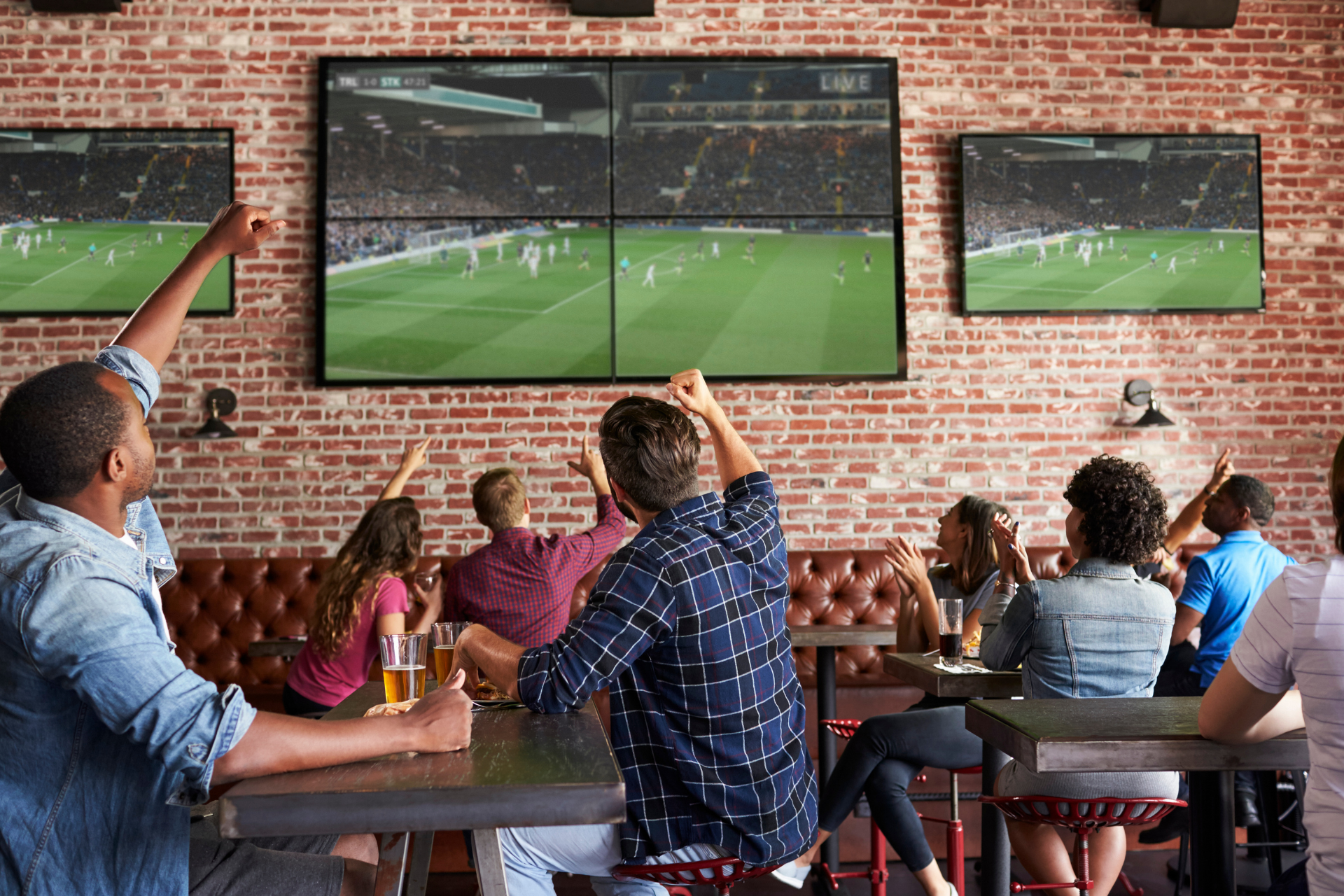
Evaluating the Impact of Lighting Design on AV Performance

Evaluating the Impact of Lighting Design on AV Performance

Contact Us

Commercial AV Services

  • Address: 2432 W Peoria Ave Suite 1204 Phoenix, AZ 85029
  • Phone: (602) 626-5800
  • Email: commercialavservices@mail.com

© Copyright - All Rights Reserved